How Outpayce helped SriLankan Airlines turn Multi-Currency Pricing into a top ancillary product
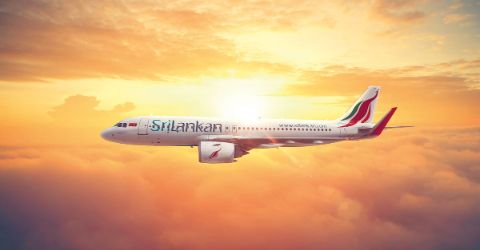

At SriLankan Airlines, we operate a global route network covering 33 destinations across 21 countries, with our hub based at Bandaranaike International Airport in Colombo. Our direct services include a combination of long-haul, medium-haul, and short-haul flights to key regions such as Europe, the Far East, the Middle East, and the Indian Subcontinent. Through our extensive codeshare and interline partnerships, we further extend our reach to over 120 destinations in 61 countries worldwide.
Our network covers markets with a very diverse range of currencies, which means pricing our fares only in Sri Lankan Rupees (LKR) could be confusing for passengers who are more familiar with a different currency e.g. the Australian Dollar.
Traditionally, in the airline industry when a passenger pays for a ticket in a foreign currency the Foreign Exchange (FX) transaction is handled by the passenger’s bank. The banks charge a mark-up for this service, which tends not to be transparent and only becomes visible to the passenger when they check their bank statement. In this model, airlines are excluded from this process and miss out on the opportunity to receive associated revenue.
In 2021, we identified this situation as an opportunity to improve our digital experience by transparently offering fares in the passenger’s native currency and also assuming control of the Foreign Exchange (FX) process to capture additional revenues for providing this service.
We worked with Outpayce from Amadeus to implement its FX Box Multi-Currency Pricing (MCP) product in 2021. We use Amadeus’ digital commerce tools so adding MCP to our website was straightforward and took less than two months to be fully operational, with on-going benefits from this tight integration.
Creating a top five ancillary revenue stream
Multi-Currency Pricing has become an important source of ancillary revenue for SriLankan and take-up of the service has been significant. On average, 13% of our passengers choose to pay in their native currency. In fact, MCP has become one of our top ancillary revenue streams and currently stands in fifth position behind business class upgrades, bags and seat-related ancillary revenues.
When you consider that there aren’t any ‘hard’ operational costs associated to the provision of this service, it really does represent a win-win opportunity to improve the digital experience for passengers while also significantly improving profitability.
Continual optimization
My advice to other airlines considering FX Box Multi-Currency Pricing is to be prepared to continually optimize when and how it is offered. It’s not simply a case of offering 99 currency pairs to passengers on all the routes you operate, it’s more complex than that.
The trick is understanding demand for different currency pairs on each of the routes you operate so you can prioritize a smaller range of options that protect the clarity of your digital booking flow whilst maximizing FX conversion opportunities.
Here we’ve worked closely with Outpayce to continually analyze our payments data. By gaining visibility into the issuing country of cards our customers use to make payments, we can see when passengers are using a card denominated in a different currency. This suggests that the passenger’s bank currently undertakes the FX conversion and that there is demand from passengers to pay with certain currencies. We can then adjust the currencies we offer through FX Box accordingly to tap into this demand.
For example, in our case we discovered that SriLankan diaspora living in Australia would frequently buy tickets on behalf of relatives back home and when doing so, preferred to pay in LKR because this is the currency their relatives understand. In this scenario, our Australian website may automatically price in Australian Dollars, but with FX Box we can provide the option to pay in LKR too.
We also use data to adjust the FX mark-up on each route. Typically, on our long-haul routes we actively choose to charge a lower percentage mark-up because the higher ticket value already results in a higher absolute cost to the passenger. We feel that beyond a certain point, this can impact perceived fairness and willingness to convert.
Through continual optimization of the currency pairs we offer and the mark-up we charge at the individual route level we’ve been able to increase MCP revenues by a further 20% during 2025.
Prioritizing transparency
One of our key learnings is the need for absolute transparency. When banks performed the FX conversion passengers would frequently experience high charges with no notice at the point of payment. As airlines, we own the digital experience and can ensure the costs associated with MCP are clearly and transparently explained when the passenger makes the booking.
We were a little slow to grasp the importance of this in the early days and faced several chargebacks where passengers disputed the MCP cost. However, we quickly made improvements to the booking flow to prioritize full transparency and I’m pleased to say we haven’t seen an MCP-related chargeback for more than two years.
Expanding MCP to codeshare routes and ancillary service sales
We are successfully offering MCP across all of our key markets with a selected range of major currencies and we’re very happy with the results. Now my team is focused on expanding MCP to additional markets by introducing the most in-demand currency options. As the marketing carrier that handles the booking, we’re in a great position to offer relevant currency pairs to travelers and capture more revenue in the process.
Outpayce also keeps investing and improving the FX Box product. New enhancements are coming soon that expand the payment methods available as well as the ability for MCP to be offered during the post-booking flow and add-ons. This is important as it will allow passengers to pay in their preferred currency when they add ancillary services like bags, seats or meals within the ‘manage my booking’ flow — helping to improve the payment experience and drive more conversion.
Airlines operate in a very competitive environment with famously low profit margins on most fares. Our experience has shown that MCP can become one of an airline’s best performing ancillary products – driving incremental revenue from a high-margin digital service. In my view success comes from getting the balance right, by understanding passenger needs and demand for different currencies, charging a fair mark-up and prioritizing transparency throughout.
TO TOP